


-

Add: HeBei ShengShi HongBang Cellulose Technology CO.,LTD.
-

Email
13180486930@163.com -

CONTACT US
+86 13180486930
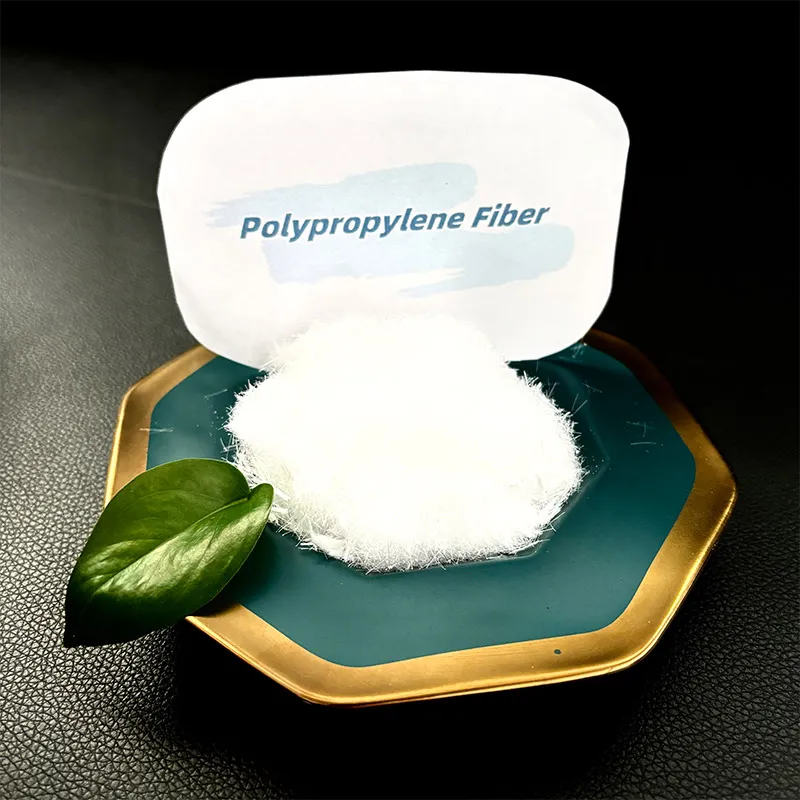
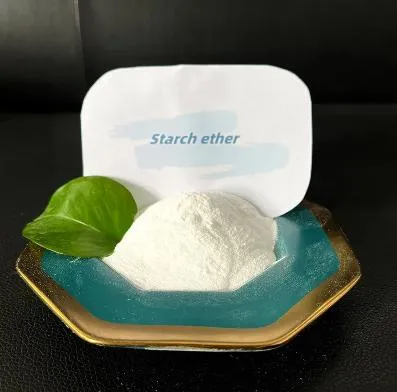

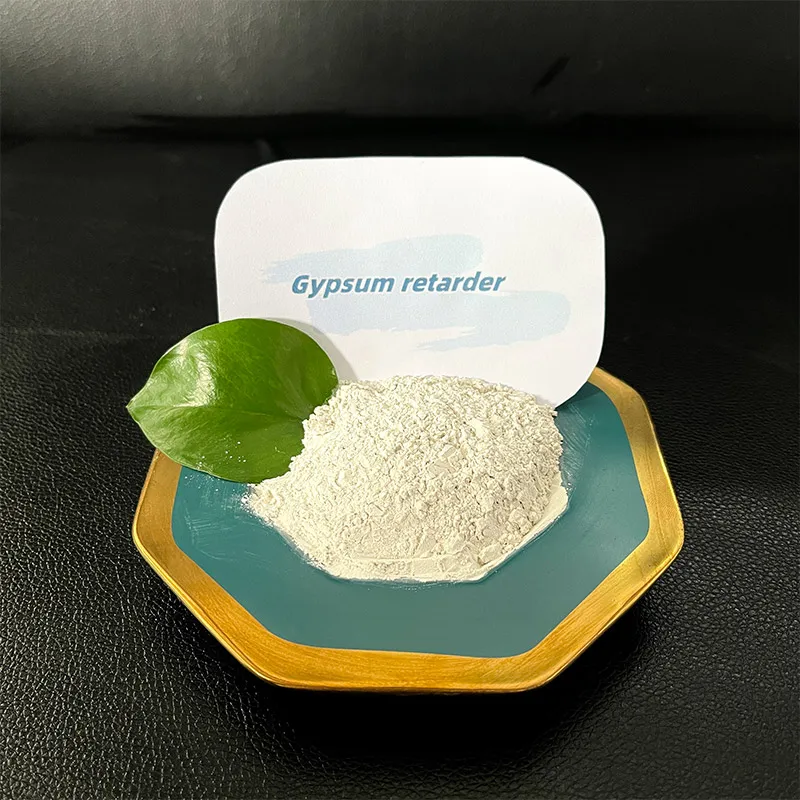
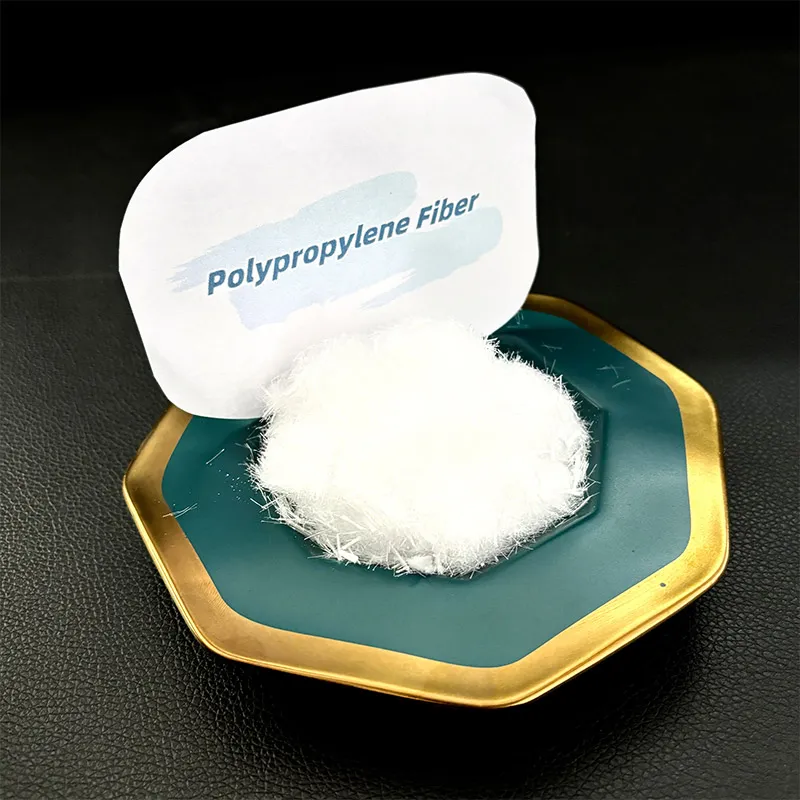
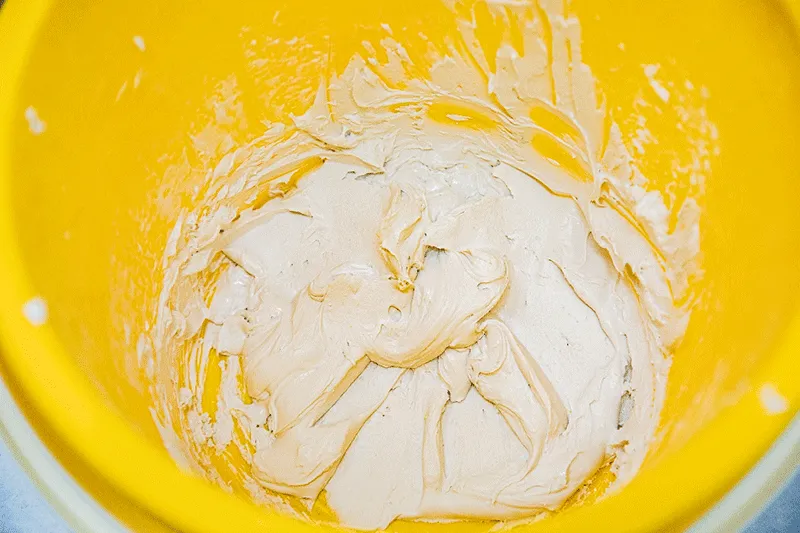


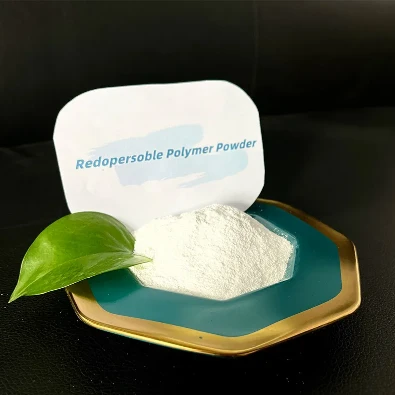
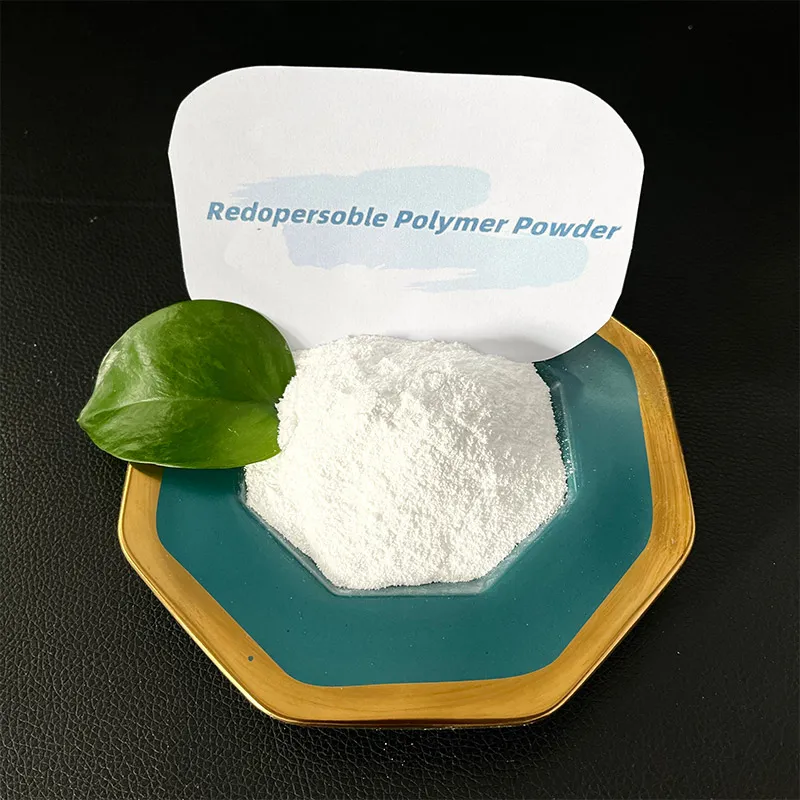
Polimer Un Taği Zamonaviy Texnologiyalar va Qishloq Xo‘jaligida Qo‘llanilishi Polimer un taği, zamonaviy materiallar muhitida muhim o‘rin tutadi. U polimerlarning mikroskopik qismlaridan tashkil topgan bo‘lib, ko‘plab sohalarda qo‘llaniladi, ayniqsa qishloq xo‘jaligida. Ushbu maqolada polimer un tağinin nimadan iboratligi, uning xususiyatlari va afzalliklari haqida so‘z yuritamiz. Polimer un taği, asosan, plastik materiallardan yaratiladi. Un taği sifatida qo‘llanilishidan maqsad, qishloq xo‘jaligida tuproqni yaxshilash, o‘simliklarni himoya qilish va yig‘im-terim jarayonlarini soddalashtirishdir. Bu materiallar nafaqat o‘simliklar uchun ozuqa manbai bo‘lib xizmat qiladi, balki tuproqning fizik va kimyoviy xususiyatlarini ham yaxshilaydi. . Bundan tashqari, polimer un taği tuproqni mahkamlaydi va uning strukturaviy yaxlitligini ta’minlaydi. Bu, o‘simliklarning ildiz tizimining yanada yaxshi rivojlanishiga yordam beradi. Tuproqning tuzilishi yaxshi bera olishi va havo almashinuvi yaxshi bo‘lishi natijasida, o‘simliklar sog‘lom va kuchli bo‘lib o‘sadi. полимер ұнтағы Polimer un taği, shuningdek, tuproqning kimyoviy xususiyatlarini yaxshilashda ham muhim rol o‘ynaydi. U tuproqdagi minerallarni va boshqa oziq moddalarni eng qiyin sharoitlarda ham saqlab qolish imkonini beradi. Natijada, o‘simliklar uchun zarur bo‘lgan ozuqa moddalarining samarali singishi ta’minlanadi. Qishloq xo‘jaligi sohasida polimer un tağini qo‘llash nafaqat o‘simliklarning samarali o‘sishini ta’minlaydi, balki bu jarayonni iqtisodiy jihatdan ham foydali qiladi. O‘simliklar yuqori hosil berishiga olib kelishi, fermerlar uchun moliyaviy jihatdan foydali bo‘ladi. Shuningdek, bu usul qishloq xo‘jaligida resurslarni tejashga yordam beradi, chunki suv va yeyish quvvatlari ancha samarali ishlatiladi. Shuni ta’kidlash kerakki, polimer un tağinin iste'moli va ishlatilishi ekologik jihatdan ham xavfsizdir. Tobora ko‘proq fermerlar va agronomlar bu materialni tanlaydilar, chunki u tuproqning ekotizimini buzmaydi va tabiatga zarar yetkazmaydi. Demak, polimer un taği nafaqat odamlar uchun, balki atrof-muhit uchun ham foydali materialdir. Xulosa qilib aytganda, polimer un taği zamonaviy qishloq xo‘jaligida juda muhim va foydali materialdir. Uning suvni ushlab turish, tuproqni yaxshilash va o‘simliklar hosilini oshirishdagi o‘rni har bir fermer va agronom uchun ahamiyatlidir. Polimer un tağini qo‘llash orqali qishloq xo‘jaligida samaradorlikni oshirish, istiqbolli kelajakni yaratish mumkin.
- 40000tons

Production
- 20+years

Experience
- 5000+㎡

Acreage

-
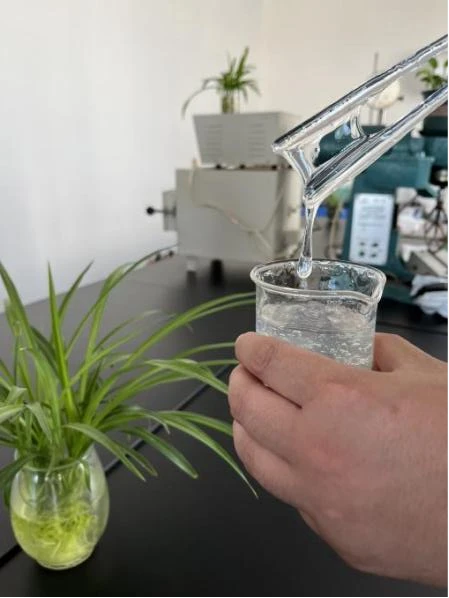
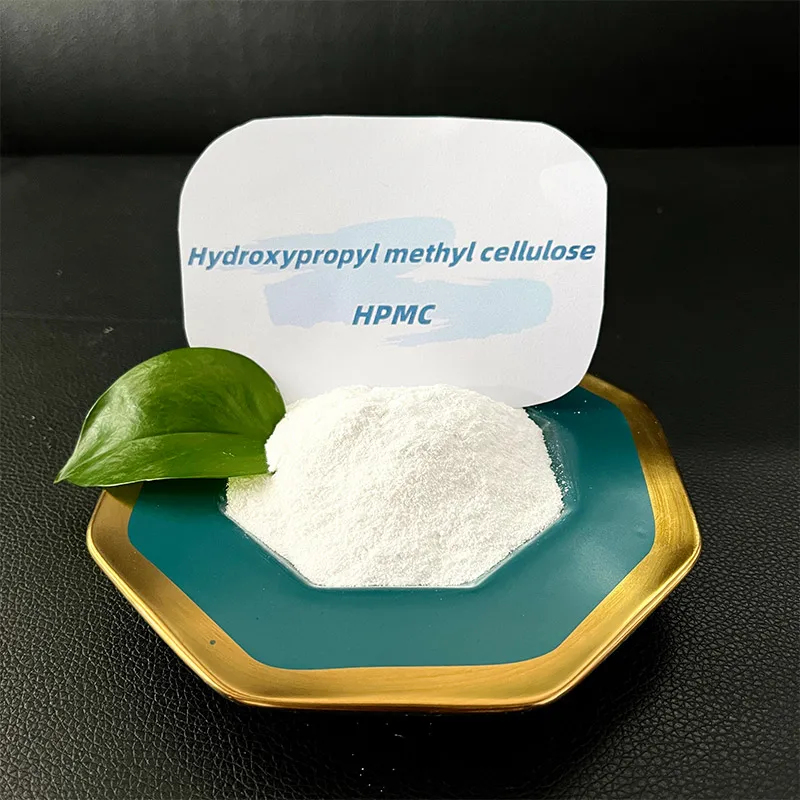
Hydroxypropyl Methylcellulose, commonly referred to by its INCI name HPMC, is an ingredient widely used in various industries, including pharmaceuticals, food, and personal care products. This versatile compound combines expertise in formulation science with practical experience in product development, making it an authoritative choice for innovators seeking reliable performance and superior results. HPMC is prized for its multifunctionality, exhibiting properties that enhance viscosity, stability, and texture in numerous applications. In the pharmaceutical industry, for instance , HPMC is a favorite among formulators due to its ability to control drug release. The polymer's film-forming capabilities provide an effective medium for encapsulating active pharmaceutical ingredients (APIs), ensuring that medication is delivered at a consistent rate. This controlled delivery not only enhances patient compliance but also optimizes therapeutic outcomes. The personal care sector also benefits from the expertise embedded in HPMC. Its thickening properties are leveraged in a variety of skincare and hair care products, where it acts as a rheology modifier. By adjusting the viscosity of formulations, HPMC helps stabilize emulsions, preventing the separation of oil and water phases, which enhances product shelf life and performance. Moreover, its non-ionic nature ensures compatibility with a wide range of ingredients, allowing for creativity and flexibility in developing innovative products. From a trustworthiness perspective, HPMC's safety profile stands out. Extensively studied and documented, it is recognized as non-toxic and hypoallergenic, aligning with consumer demands for safe and gentle ingredients. This translates into reassurance for both brands and consumers, knowing that the products they use are not only effective but also safe for regular use. Regulatory bodies worldwide, including the FDA and EFSA, have evaluated HPMC, endorsing its safety and efficacy across various applications. hpmc inci name Additionally, HPMC's role in the food industry underscores its versatility and authoritative presence. As a food additive, it acts as an emulsifier, thickener, and stabilizer, contributing to the texture and quality of a wide array of products from bakery to dairy. This multifunctional capability reduces the need for multiple additives, streamlining formulation processes and promoting cleaner label options, which is increasingly important for health-conscious consumers. Drawing from extensive scientific research and practical manufacturing experience, HPMC manufacturers have honed processes to produce high-quality, consistent material. This reliability in supply and consistency in performance are crucial factors in sectors where precision and quality are paramount. Furthermore, ongoing innovations aim to enhance the sustainability of HPMC production, focusing on environmentally friendly processes and reducing carbon footprints, aligning with global sustainability goals. For any business considering the inclusion of HPMC in their products, partnering with a reputable supplier is imperative. Expertise in formulation, combined with comprehensive quality control measures, ensures that the HPMC sourced meets all necessary standards and specifications. Utilizing HPMC not only enhances product performance but also positions brands as leaders in quality and innovation, leveraging the trust consumers place in well-formulated products. In conclusion, Hydroxypropyl Methylcellulose stands as a testament to the confluence of experience, expertise, authority, and trustworthiness. Its widespread application and proven benefits across multiple industries make it an invaluable ingredient for formulators and product developers aiming to meet consumer demands for effective, safe, and sustainable products. By leveraging the unique properties of HPMC, brands can achieve superior results, ensuring their offerings remain competitive in an ever-evolving marketplace.
-
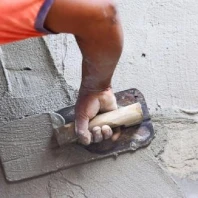
The construction industry constantly seeks materials that offer superior performance, reliability, and versatility. Among these, hydroxypropyl methylcellulose stands out as a highly effective additive that outperforms many traditional options, such as gypsum and polymer emulsions. Whether it’s about achieving durability in wet conditions or improving consistency in wall putty, hydroxypropyl methylcellulose has proven to be indispensable. Let’s explore its unmatched advantages and why it's the future of building materials. The Advantage of Hydroxypropyl Methylcellulose Over Gypsum Gypsum is a widely used component in construction, valued for its affordability and ease of use. However, when compared to hydroxypropyl methylcellulose , gypsum falls short in critical areas. One of the significant advantages of hydroxypropyl methylcellulose is its superior water retention capability. While gypsum is prone to cracking and shrinkage during drying, hydroxypropyl methylcellulose ensures that moisture is evenly distributed throughout the mixture, resulting in a flawless finish. This property not only prevents structural weaknesses but also enhances the overall durability of the material. Additionally, hydroxypropyl methylcellulose can withstand greater levels of environmental stress. Gypsum tends to deteriorate under wet or humid conditions, whereas hydroxypropyl methylcellulose remains stable, maintaining its binding and adhesive properties even in challenging environments. Its flexibility and resistance to moisture make it a preferred choice for projects that demand long-term durability and high performance. The Advantage of Hydroxypropyl Methylcellulose Over Polymer Emulsions Polymer emulsions are often incorporated into construction materials to improve elasticity and binding strength. However, they lack the adaptability and multifunctionality that hydroxypropyl methylcellulose offers. Polymer emulsions tend to lose effectiveness over time, especially under fluctuating temperatures and exposure to moisture. Hydroxypropyl methylcellulose , on the other hand, provides consistent performance across diverse environmental conditions. Its thermal stability and water retention qualities make it far superior for applications such as wall putty, plaster, and tile adhesives. Additionally, hydroxypropyl methylcellulose enhances workability without requiring extra additives. It creates a uniform mixture, ensuring smoother application and better surface adhesion. If you are planning to buy hydroxypropyl methylcellulose , you are investing in a material that optimizes efficiency and delivers results unmatched by polymer-based alternatives. How Hydroxypropyl Methylcellulose Behaves in Building Materials The unique properties of hydroxypropyl methylcellulose make it a standout ingredient in building materials. Its ability to improve the viscosity of mixtures ensures better cohesion and stability during application. In products such as wall putty, hydroxypropyl methylcellulose enhances spreadability, making it easy to achieve a smooth finish on walls and ceilings. Under wet conditions, hydroxypropyl methylcellulose shows excellent resistance, retaining its structural integrity while ensuring prolonged workability. This ensures that building materials do not prematurely dry out, which can lead to uneven curing or cracking. Its hydrophilic nature supports uniform hydration, giving materials added durability and ensuring long-term reliability in construction projects. In addition to performance benefits, hydroxypropyl methylcellulose is compatible with other additives, allowing it to blend seamlessly into various formulations. For builders aiming to reduce project inefficiencies, this additive is the go-to solution, saving time and enhancing the quality of the output. Trust the Leading Hydroxypropylmethylcellulose Supplier for Top-Quality Materials When sourcing construction materials, reliability and consistency are crucial. That’s why working with a reputable hydroxypropylmethylcellulose supplier is essential. We take pride in offering premium-grade hydroxypropyl methylcellulose that meets stringent industry standards and caters to the diverse needs of modern construction projects. By partnering with us, you gain access to high-quality products that deliver exceptional results across a wide range of applications, from wall putty to advanced adhesive systems. Our efficient supply chain ensures timely delivery, so you never face project delays. Whether you're an independent contractor or a large construction firm, the decision to buy hydroxypropyl methylcellulose from us guarantees durability, efficiency, and a competitive edge in your projects. Hydroxypropyl Methylcellulose: Shaping the Future of Construction As the construction industry evolves, the demand for versatile and sustainable materials continues to grow. Hydroxypropyl methylcellulose is paving the way for advanced solutions that not only improve material performance but also support environmentally conscious construction practices. Its advantages over gypsum and polymer emulsions, combined with its ability to perform exceptionally well in wet conditions, make it a cornerstone for modern building materials. Builders and manufacturers alike are recognizing the transformative impact of hydroxypropyl methylcellulose , ensuring its place as a critical component in construction innovation. Experience the difference with our premium hydroxypropyl methylcellulose . Contact us today to find out more about how it can elevate your building projects, and secure your success with the trusted leader in construction additives. Don’t wait—choose the industry’s finest hydroxypropylmethylcellulose supplier and redefine your standards for quality.
advantages
-

200000 Viscosities
Excellent product
We can produce pure products up to 200,000 viscosities
-

40000 tons
High yield
We don’t stop production all year round, and the annual output can reach 40,000 tons
-

24 hours
Quality service
We provide 24-hours online reception service, welcome to consult at any time
———— Inquiry Form
Schedule A services
-
 fabricantes_de_fibra_de_pp
Oct . 25, 2025
Methylcellulose is increasingly gaining attention in the realm of ophthalmic products due to its ver -
 serat_polipropilen_untuk_screed
Oct . 25, 2025
HPMC Monograph Your Comprehensive Guide to Understanding Hydroxypropyl Methylcellulose in Product Fo -
 producto_quimico_retardador_de_yeso
Oct . 25, 2025
In the fast-evolving construction industry, innovations drive improvements in durability, workabilit


